
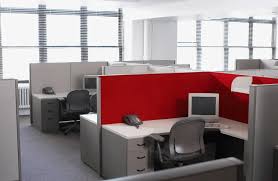
Private office cubicles have transformed modern workplaces. Open layouts once dominated corporate design, promising collaboration and energy. Reality revealed different story. Noise, distraction, lack of privacy reduced productivity and increased stress. Businesses now rediscover structured environments that balance collaboration with concentration. Private office cubicles deliver that balance.
This article explores benefits, design trends, productivity impact, cost efficiency, and strategic value of private office cubicles. Insight combines workplace research, ergonomic principles, and real-world implementation experience to provide practical guidance for decision-makers.
Why Private Office Cubicles Matter in Modern Workplaces
Workplace design influences performance, morale, retention, and brand perception. Environment shapes focus quality and communication flow. Private office cubicles create defined zones that reduce interruption while preserving flexibility.
Open offices often amplify ambient noise, spontaneous interruptions, visual distractions. Employees lose deep work time. Studies across corporate environments reveal that workers in noisy layouts experience higher cognitive fatigue and lower task accuracy. Private cubicles counteract that effect by establishing boundaries without isolating teams completely.
Professional environments demand concentration, confidentiality, and structured workflow. Private office cubicles support sensitive conversations, strategic thinking, client calls, and creative sessions without constant disruption.
Core Benefits of Private Office Cubicles
Enhanced Focus and Productivity
Concentration fuels results. Private office cubicles minimize auditory and visual distractions, enabling employees to enter flow state faster. Flow state drives higher output, improved quality, reduced error rates.
Workers performing analytical tasks, financial modeling, legal documentation, software development, research projects benefit significantly from controlled surroundings. Fewer interruptions mean fewer context switches. Fewer context switches mean sustained cognitive momentum.
Read Also: Comet vs Ajax: Which Cleaner Works Better?
Privacy Without Isolation
Full private offices require substantial space and higher cost. Open desks remove privacy entirely. Private office cubicles occupy middle ground. Panels create visual separation while maintaining accessibility.
Team members can collaborate when needed yet retreat into focused workspace during critical tasks. Managers gain ability to conduct performance discussions without booking conference rooms constantly. Employees feel secure discussing sensitive matters.
Acoustic Control
Sound management remains critical factor in office satisfaction surveys. Cubicle walls designed with acoustic materials absorb ambient noise. Proper panel height, fabric finish, ceiling baffles contribute to sound dampening.
Reduced background chatter leads to measurable improvement in task completion speed. Employees report lower stress levels in acoustically controlled environments.
Cost Efficiency Compared to Traditional Offices
Constructing permanent offices demands significant capital investment, construction time, structural changes. Private office cubicles offer modular solution. Installation requires minimal disruption. Reconfiguration remains simple as teams grow or restructure.
Organizations seeking scalability prefer modular cubicle systems. Cost savings extend beyond installation. Improved productivity reduces hidden financial losses caused by distraction.
Design Trends Shaping Private Office Cubicles
Workplace expectations evolve. Modern private office cubicles reflect contemporary aesthetics and ergonomic standards.
Glass Panels and Semi-Transparent Dividers
Glass integrates openness with privacy. Frosted panels allow light flow while preserving confidentiality. Natural light exposure enhances mood, energy, circadian rhythm alignment.
Semi-transparent dividers create visual continuity across floor while maintaining personal workspace boundaries.
Ergonomic Integration
Health-focused design stands central in modern offices. Adjustable desks, ergonomic chairs, monitor arms, cable management systems integrate seamlessly into cubicle structure.
Employees working long hours require posture support. Ergonomic alignment reduces musculoskeletal strain, absenteeism, medical costs.
Technology Integration
Hybrid work demands seamless connectivity. Private office cubicles now include integrated power modules, USB charging ports, wireless charging surfaces, acoustic pods for video conferencing.
Built-in cable channels prevent clutter. Clean design improves safety and professional appearance.
Strategic Value for Employers
Talent Attraction and Retention
Work environment influences employer brand. Candidates evaluate office layout during interviews. Chaotic, noisy floor plans may signal disorganization. Structured cubicle systems convey professionalism, focus, respect for employee well-being.
Retention improves when workers feel valued. Providing personal workspace demonstrates investment in employee comfort and productivity.
Hybrid Workforce Adaptability
Organizations navigating hybrid models require adaptable layouts. Private office cubicles allow easy reconfiguration for rotating schedules. Teams can share designated cubicles or personalize assigned spaces.
Modular systems support business evolution without expensive redesign.
Confidentiality and Compliance
Industries such as finance, healthcare, legal services, consulting demand privacy. Client data protection requires controlled conversations and screen visibility management. Private office cubicles reduce risk of information exposure.
Compliance standards often emphasize secure workspace practices. Cubicles help meet those requirements.
Psychological Impact of Defined Workspace
Environmental psychology confirms that spatial boundaries influence mental clarity. Defined workspace encourages ownership. Ownership increases accountability and engagement.
Employees personalize cubicles subtly through photos, plants, minimal décor. Personalization strengthens belonging. Strong belonging drives collaboration and loyalty.
Distraction reduction also decreases cognitive overload. Cognitive overload contributes to burnout. Burnout harms performance and culture. Private office cubicles support sustainable productivity patterns.
Space Planning and Layout Optimization
Effective implementation requires thoughtful planning. Cubicle height, spacing, orientation affect workflow.
Higher panels maximize privacy. Lower panels encourage communication. Balanced approach often works best, placing higher partitions in focus zones and collaborative pods near meeting areas.
Traffic flow must remain intuitive. Clear pathways prevent congestion. Strategic placement near natural light enhances morale.
Professional space planners analyze headcount projections, department interaction patterns, equipment requirements before finalizing configuration. Poor planning can undermine benefits.
Sustainability and Material Considerations
Modern organizations prioritize environmental responsibility. Sustainable cubicle systems use recycled materials, low-VOC finishes, responsibly sourced wood composites.
Durable construction extends lifecycle. Reconfigurable systems reduce waste during organizational change. Choosing high-quality materials ensures longevity and lower long-term cost.
Sustainability commitments strengthen corporate reputation and align with employee values.
Addressing Common Misconceptions
Some critics argue that cubicles feel outdated or restrictive. Poorly designed systems from past decades created negative perception. Contemporary private office cubicles differ significantly. Sleek lines, neutral tones, integrated technology, natural textures replace monotonous gray partitions.
Design innovation transforms cubicles into modern, attractive, efficient workspace solutions.
Another misconception suggests collaboration declines in structured layouts. Data indicates collaboration improves when employees control interruption timing. Structured privacy actually enhances meaningful interaction quality.
Measuring Return on Investment
Investment decisions require measurable outcomes. Productivity metrics, employee satisfaction surveys, absenteeism rates, retention statistics provide evaluation framework.
Organizations implementing private office cubicles often report measurable improvement in task completion times and employee satisfaction scores. Reduced turnover saves recruitment and onboarding costs.
Financial benefits accumulate over time through improved efficiency and morale.
Choosing Right Private Office Cubicle System
Selecting appropriate system demands evaluation of space dimensions, workflow, brand identity, growth forecast.
Consider acoustic rating, material durability, reconfiguration capability, warranty coverage, installation support.
Experienced vendors provide consultation, layout visualization, 3D rendering, cost analysis. Transparent communication ensures alignment between design vision and functional requirements.
Future of Private Office Cubicles
Workplace design continues evolving. Artificial intelligence integration, smart lighting systems, occupancy sensors, air quality monitoring may become standard features within cubicle environments.
Employee expectations emphasize wellness, autonomy, flexibility. Private office cubicles align with those priorities by providing balance between structure and freedom.
As organizations recognize cost of distraction and burnout, investment in focused workspace solutions will likely increase.
Conclusion
Private office cubicles represent strategic response to modern workplace challenges. They combine privacy, flexibility, acoustic control, ergonomic support, scalability. Businesses benefit from enhanced productivity, improved morale, stronger confidentiality compliance, cost efficiency.
Open layouts sparked experimentation phase in office design. Experience revealed need for balance. Private office cubicles restore that balance without sacrificing collaboration.
Leaders seeking sustainable performance should evaluate workspace configuration carefully. Environment shapes behavior. Behavior shapes results.
Thoughtfully designed private office cubicles create professional atmosphere that supports focus, protects privacy, nurtures well-being, and drives long-term organizational success.
FAQs
1. What are private office cubicles?
Private office cubicles are semi-enclosed workspaces that provide employees with privacy, reduced noise, and improved focus while maintaining office flexibility.
2. Are private office cubicles better than open offices?
Private office cubicles reduce distractions and increase productivity compared to open offices, especially for focused or confidential work.
3. Do private office cubicles improve productivity?
Yes. Private office cubicles minimize interruptions, lower noise levels, and help employees maintain concentration for longer periods.
4. How much do private office cubicles cost?
Costs vary depending on size, materials, and customization, but private office cubicles are more affordable than building permanent offices.
5. Are private office cubicles customizable?
Yes. Modern private office cubicles offer customizable layouts, panel heights, ergonomic features, and integrated technology solutions.
If you’d like, I can also generate an SEO slug, focus keyphrase strategy, and schema markup for even stronger rankings.
