
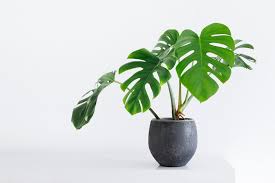
If you are a plant lover, you know that the right pot can make all the difference for your MONSTERA . The iconic MONSTERA plant, known for its dramatic split leaves and tropical vibes, thrives when it has the perfect combination of soil, light, and container.
Choosing the right MONSTERA pot is not just about aesthetics; it’s about creating an environment where your plant can grow strong and healthy.
Why the Right MONSTERA Pot Matters
Your Monstera is more than a decorative piece. It is a living organism that needs space for roots to breathe and grow. A pot that is too small can stunt growth, while a pot that is too large can cause overwatering problems. The right MONSTERA pot balances root space, drainage, and stability, giving your plant the foundation it needs to thrive.
When your Monstera grows, its roots expand, seeking nutrients and water. A pot that supports this growth ensures that the plant maintains vibrant foliage and avoids common issues like yellowing leaves or root rot.
Materials for MONSTERA Pots
Choosing a MONSTERA pot starts with deciding on the material. Each material offers unique benefits and impacts plant health differently. Terracotta pots are a popular choice because they are porous, allowing excess moisture to evaporate. This helps prevent waterlogged roots, which are a common problem for Monsteras. Ceramic pots with drainage holes provide both stability and style, making them a favorite among interior decorators.
Plastic pots, while lightweight and affordable, may retain more moisture, which requires careful monitoring of watering habits. Each option has pros and cons, but the key is ensuring your pot has proper drainage and suits the environment of your home.
Size Matters: Picking the Right Pot Dimensions
Selecting the right size for your MONSTERA pot is crucial. The ideal pot allows your plant to grow without crowding its roots. A pot slightly larger than the root ball is perfect. If the pot is too small, roots become cramped, and growth slows. If it’s too big, water may sit at the bottom, increasing the risk of root rot.
A general guideline is to increase pot size by 2 to 4 inches each time you repot. Monitoring root health and plant growth helps you determine the optimal time for moving your Monstera to a new pot.
Drainage: The Unsung Hero of Healthy Monsteras
Proper drainage is essential for MONSTERA health. Regardless of material, your MONSTERA pot must have holes at the bottom. Drainage prevents standing water, which can suffocate roots and cause root rot. Using a saucer underneath the pot allows water to escape without damaging floors. For plants in decorative outer pots without drainage, consider using a smaller inner pot with holes for water to drain into. This ensures the Monstera enjoys both aesthetic appeal and proper root care.
Read Also: Love LOLA Blog Code: Tips, Savings, and How to Use
Indoor vs. Outdoor MONSTERA Pots
Monsteras are typically grown indoors, but they can also thrive outdoors in warm climates. Indoor MONSTERA pots often focus on design, complementing interior décor. Materials like ceramic and resin are popular for indoor use because they look stylish and are durable.
Outdoor MONSTERA pots need to withstand elements like sun, wind, and rain. Terracotta, concrete, and heavy-duty plastic pots are ideal for outdoor Monsteras because they resist weathering and provide stability against wind or animals.
Styling Your Space with MONSTERA Pots
Beyond function, MONSTERA pots add a touch of style to any room. Large Monsteras make a statement in living rooms, offices, or entryways, while smaller varieties can brighten kitchens or bathrooms. Choosing a pot that complements your home décor elevates both the plant and the space.
Neutral colors like white, beige, or gray suit minimalist interiors, while bold, colorful pots add a tropical vibe. Texture also matters; matte, glossy, or patterned surfaces can create visual interest. When selecting your MONSTERA pot, consider both the size of the plant and the overall look you want to achieve.
Repotting: A Key to Healthy Monstera Growth
Repotting is a natural part of Monstera care. As Monsteras grow, their roots expand, and soil loses nutrients over time. Repotting every 1 to 2 years ensures your plant has fresh soil, adequate nutrients, and room for growth.
When repotting, gently remove the Monstera from its current pot, untangle roots, and place it in a slightly larger MONSTERA pot. Adding fresh, well-draining soil promotes root health and encourages new leaf growth. The right pot during repotting can also prevent the plant from tipping over as it grows taller and heavier.
Monstera Pot Accessories and Tips
Using accessories can improve Monstera health and appearance. Saucers prevent water damage and protect surfaces, while decorative moss or pebbles on top of the soil help retain moisture. If your Monstera grows tall, adding a moss pole or support stick in the pot encourages upward growth and prevents leaves from drooping. Using a combination of soil, drainage, and supportive accessories ensures your Monstera looks lush, healthy, and vibrant year-round.
Common Mistakes to Avoid
Several common mistakes can harm your Monstera if the pot choice is incorrect. Avoid pots without drainage, as they trap water and lead to root rot. Oversized pots may cause overwatering problems, and undersized pots stunt growth. Choosing the wrong material, such as non-porous pots without monitoring, can suffocate roots.
Always match pot size, material, and style with the plant’s needs and your home environment. Observing the Monstera’s leaves and root health helps you adjust care as needed. Healthy Monsteras show bright green leaves with natural splits and no drooping or yellowing.
Conclusion
The right MONSTERA pot is a combination of function and style. Selecting the ideal size, material, and design ensures your plant grows healthy while enhancing your space. From proper drainage to stylish finishes, each aspect of the pot plays a role in your Monstera’s vitality. Taking care in choosing the perfect pot sets the foundation for a thriving plant that brings tropical elegance to your home.
Investing time and thought into your MONSTERA pot is investing in the long-term health and beauty of your Monstera. With the right pot, your Monstera will continue to grow, bringing lush greenery and a sense of tranquility to your home for years to come.
FAQs
1. What is the best pot for a Monstera?
A terracotta or ceramic pot with proper drainage works best to prevent root rot.
2. How often should I repot my Monstera?
Repot every 1 to 2 years, or when roots outgrow the current pot.
3. Can I use a plastic pot for a Monstera?
Yes, but ensure it has drainage holes and monitor watering carefully.
4. What size pot does a Monstera need?
Choose a pot 2 to 4 inches larger than the root ball to allow growth.
5. Do Monsteras need drainage holes?
Always. Drainage holes prevent water from accumulating and protect roots.
