
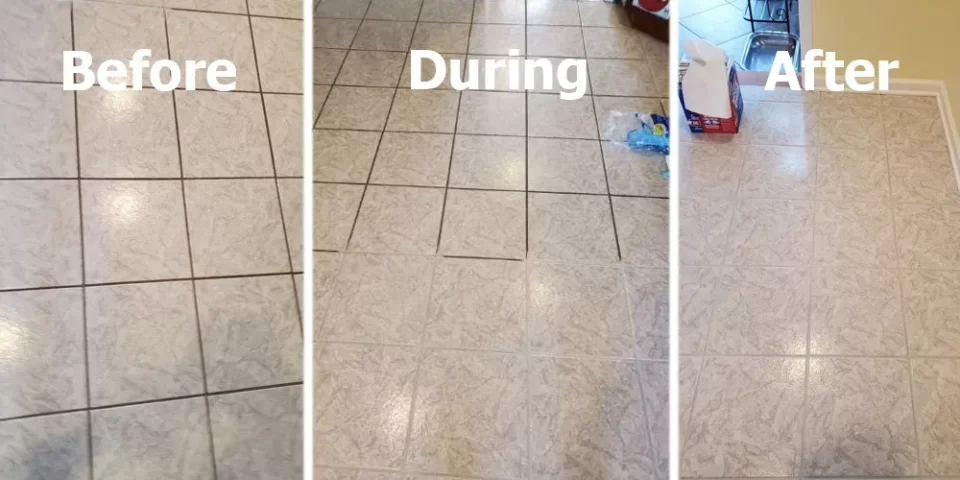
Grout maintenance plays a crucial role in preserving beauty and durability of tiled surfaces. Many homeowners focus on tiles themselves, yet grout lines hold entire installation together. Without proper care, grout absorbs dirt, moisture, bacteria, and stains that slowly damage floors, walls, kitchens, and bathrooms.
Regular grout maintenance improves appearance, protects tile structure, and prevents expensive repairs. Clean grout lines create a fresh, polished look across any tiled space. This guide explains everything about grout maintenance, including cleaning methods, sealing practices, stain removal, and long-term protection.
Understanding Grout and Its Importance
Grout fills gaps between tiles and locks them in place. This material prevents movement, blocks moisture infiltration, and strengthens tile installation. Most residential tiles use cement-based grout, though epoxy grout appears in modern designs due to strong stain resistance.
Cement grout contains porous structure. That porous nature absorbs water, oils, soap residue, and dirt particles over time. Without maintenance, discoloration, mold growth, and cracking develop quickly.
Kitchen floors, bathroom walls, shower areas, and backsplashes experience heavy moisture exposure. Those environments require consistent grout care. Effective grout maintenance prevents deterioration and maintains hygienic surfaces.
Why Grout Maintenance Matters
Grout maintenance protects both appearance and structural integrity of tiled areas. Many property owners ignore grout until dark stains appear or tiles loosen. Preventive care avoids those problems entirely.
Proper maintenance provides several key benefits.
Clean grout lines enhance visual appeal of kitchens, bathrooms, and hallways. Bright grout complements tile design and creates professional finish. Dirty grout lines make even expensive tiles look neglected.
Routine maintenance prevents mold and mildew buildup. Moisture trapped inside grout pores encourages bacterial growth, especially inside shower corners and bathroom floors.
Sealed and maintained grout lasts significantly longer. Cracked grout allows moisture beneath tiles, which eventually weakens adhesive layers and causes tile lifting.
Regular care also reduces deep cleaning effort. Small routine cleaning sessions prevent stubborn stains from developing.
Read Also: Influencers Gone Wild – Viral Moments & Social Media Trends
Common Causes of Dirty or Damaged Grout
Understanding causes of grout damage helps homeowners prevent problems before they begin.
Moisture exposure represents primary cause. Bathrooms, laundry areas, and kitchen backsplashes remain constantly exposed to steam and water splashes. Moisture penetrates grout pores and creates perfect environment for mold growth.
Soap residue and cleaning chemicals also contribute to discoloration. Soap scum sticks to grout surfaces and traps dust particles. Harsh chemicals break down grout structure, leading to erosion and cracks.
Foot traffic gradually pushes dirt into grout lines on tile floors. Shoes carry soil, grease, and debris that accumulate between tiles.
Cooking oils and food spills affect kitchen grout lines. Grease particles settle into porous grout and create yellowish stains that become difficult to remove.
Poor ventilation accelerates grout deterioration. Lack of airflow keeps surfaces damp for longer periods, allowing bacteria and mildew to spread quickly.
Best Methods for Regular Grout Cleaning
Regular cleaning forms foundation of grout maintenance. Gentle, consistent cleaning preserves grout without causing damage.
Warm water and mild detergent provide safest solution for weekly cleaning. A soft brush or old toothbrush helps scrub grout lines without scratching tiles.
Baking soda paste works well for light stains. Mixing baking soda with water creates mild abrasive cleaner that lifts grime from grout pores. Apply paste, scrub gently, and rinse thoroughly.
Vinegar solutions remove mineral buildup and soap residue effectively. Combine equal parts white vinegar and water in spray bottle, apply to grout lines, wait several minutes, then scrub lightly.
Steam cleaning offers deep sanitation without harsh chemicals. High-temperature steam penetrates grout pores and dissolves embedded dirt while killing bacteria.
Consistent cleaning prevents stains from settling deeply. Weekly or biweekly cleaning schedule keeps grout fresh and manageable.
Deep Cleaning Techniques for Stained Grout
Sometimes grout accumulates stubborn stains that require deeper treatment. Deep cleaning restores original grout color and removes embedded contaminants.
Oxygen bleach solutions provide powerful yet safe cleaning method. Mix powdered oxygen bleach with warm water, apply to grout lines, allow soaking period, then scrub gently.
Hydrogen peroxide also breaks down organic stains effectively. Applying small amount directly onto grout helps remove mold spots and dark discoloration.
Commercial grout cleaners designed specifically for tile installations offer stronger stain removal. Those cleaners dissolve grease, soap buildup, and mildew without damaging grout structure.
Mechanical grout brushes attached to electric scrubbers provide efficient cleaning for large tile floors. Rotating brushes remove deeply embedded dirt with minimal physical effort.
Deep cleaning should occur periodically rather than daily. Over-cleaning with strong chemicals may weaken grout surface over time.
Importance of Grout Sealing
Grout sealing represents essential step in long-term grout maintenance. Sealers create protective barrier that prevents moisture, oils, and stains from penetrating grout pores.
Fresh grout installations require sealing after curing period. Applying grout sealer protects newly installed tile work from early discoloration.
Penetrating sealers soak into grout and create invisible protective layer. These sealers maintain natural grout appearance while enhancing stain resistance.
Topical sealers form protective film on grout surface. While effective, they may slightly alter grout finish and require more frequent reapplication.
Bathrooms, kitchens, and high-traffic floors benefit most from sealing treatments. Regular sealing significantly extends grout lifespan.
Most grout sealers require reapplication every one to three years depending on usage levels and moisture exposure.
Preventing Mold and Mildew Growth
Mold prevention forms major part of grout maintenance, especially inside bathrooms and shower areas.
Proper ventilation reduces moisture buildup after showers or baths. Exhaust fans and open windows allow humidity to escape quickly.
Wiping shower walls and grout lines after use minimizes standing moisture. Simple squeegee routine drastically lowers mold formation risk.
Regular cleaning with mild antimicrobial solutions keeps grout sanitary without damaging surface.
Repairing cracks promptly also prevents mold infiltration. Broken grout traps moisture beneath tiles where mold spreads unnoticed.
Maintaining dry, ventilated environment remains most effective mold prevention strategy.
Repairing Damaged Grout
Even well-maintained grout occasionally develops cracks or gaps. Repairing damaged grout quickly prevents larger structural problems.
Small cracks often require simple regrouting process. Removing damaged grout and applying fresh mixture restores strength and appearance.
Grout saw tools help remove old grout safely without damaging surrounding tiles. Once removed, new grout fills gaps and secures tiles again.
Color-matching grout ensures seamless repair that blends with existing installation.
For large areas of deterioration, complete grout replacement may provide best solution. Professional tile technicians can restore grout lines efficiently while preserving tiles.
Prompt repairs prevent water infiltration beneath tiles and avoid costly structural damage.
Professional Grout Maintenance Services
Some homeowners prefer professional grout maintenance services for deep restoration. Professionals use specialized equipment and industrial cleaners that achieve dramatic results.
Professional grout cleaning machines use high-pressure steam and extraction systems to remove deeply embedded dirt.
Technicians also perform grout recoloring treatments that restore uniform color across entire tile surface.
Professional sealing services apply commercial-grade sealers that provide longer-lasting protection compared to many DIY products.
Large tiled spaces, commercial kitchens, and heavily stained floors often benefit from expert restoration services.
Long-Term Tips for Healthy Grout
Consistent care remains most effective grout maintenance strategy. Small preventive habits preserve grout quality for many years.
Routine cleaning prevents buildup that leads to staining. Quick cleanup of spills protects grout from oil and dye absorption.
Placing mats at entryways reduces dirt tracked onto tile floors. Less dirt means less contamination within grout lines.
Using pH-neutral cleaners protects grout surface from chemical damage. Harsh acidic or alkaline cleaners should remain limited.
Regular inspection helps identify cracks, loose grout, or mold spots early. Early repair saves both time and money.
With proper care, grout can maintain strength and appearance for decades.
Conclusion
Grout maintenance remains essential for preserving tiled surfaces in kitchens, bathrooms, floors, and backsplashes. Clean, sealed grout not only improves visual appeal but also protects tile installations from moisture damage and structural failure.
Regular cleaning, periodic sealing, mold prevention, and timely repairs form foundation of effective grout care. Homeowners who invest time in grout maintenance enjoy longer-lasting tile installations, healthier indoor environments, and lower repair costs.
Maintaining grout may seem like small detail, yet it dramatically influences durability and beauty of any tiled space. Consistent care keeps grout lines bright, strong, and resistant to stains for many years.
FAQs
1. How often should grout be cleaned?
Grout should be cleaned at least once a week in high-traffic areas like kitchens and bathrooms to prevent stains, mold, and dirt buildup.
2. Do I need to seal grout after installation?
Yes, sealing grout after installation protects it from moisture, stains, and bacteria while extending its lifespan.
3. What is the best homemade grout cleaner?
A mixture of baking soda and water or vinegar and water works effectively for removing dirt and mild stains from grout lines.
4. How long does grout sealer last?
Most grout sealers last between one and three years depending on traffic, moisture exposure, and cleaning routine.
5. Can damaged grout be repaired without replacing tiles?
Yes, cracked or missing grout can be removed and replaced with fresh grout without removing the tiles.
