
An AMANA dryer not getting hot can disrupt your routine and raise concerns about repair costs. Dryers are essential household appliances, and when they fail to produce heat, laundry piles up quickly. Understanding why your AMANA dryer is not heating and knowing how to fix it can save time, money, and unnecessary frustration. This article provides practical guidance, troubleshooting steps, and professional insights to help you restore your dryer’s functionality efficiently.
Common Causes of an AMANA Dryer Not Getting Hot
When a dryer fails to generate heat, the issue can stem from electrical problems, worn components, or airflow restrictions. The first step is identifying whether the dryer is running at all. If the drum spins but clothes remain damp, the heating system is likely at fault.
Heating issues often occur due to a faulty heating element, a tripped thermal fuse, defective thermostat, or power supply issues. Gas models can also experience problems with the igniter or gas valve. Airflow obstructions caused by clogged vents or lint buildup can prevent proper heating even if electrical components are functioning correctly.
Understanding the type of AMANA dryer you own—electric or gas—is crucial. Electric models rely on a heating element and thermal sensors, while gas models use a gas igniter and solenoid valves. Identifying the model type guides accurate troubleshooting.
Safety Precautions Before Troubleshooting
Working with dryers involves electrical components and heat sources. Before performing any inspection or repair, disconnect the dryer from power to prevent shock or injury. For gas dryers, turn off the gas supply to avoid leaks or fire hazards.
Use gloves and protective eyewear when handling metal components or sharp edges inside the dryer cabinet. Safety ensures repairs are conducted without causing further damage or personal harm.
Read Also: Partners G15Tool: Strategic Collaboration & Growth
Diagnosing Heating Element Problems
For electric AMANA dryers, the heating element is often the primary cause when no heat is produced. The heating element warms up when the dryer runs, and if it is broken or burned out, the dryer drum will rotate without generating heat.
Inspecting the heating element involves accessing the rear panel, checking for visible breaks, or using a multimeter to test continuity. A broken element will show no continuity, indicating the need for replacement. Heating elements degrade over time due to normal wear, electrical surges, or accumulated lint around coils.
Replacing a heating element is a straightforward process with proper tools. Ensure you purchase the correct element compatible with your AMANA dryer model. Proper installation prevents short circuits and ensures safe operation.
Checking Thermal Fuses and Thermostats
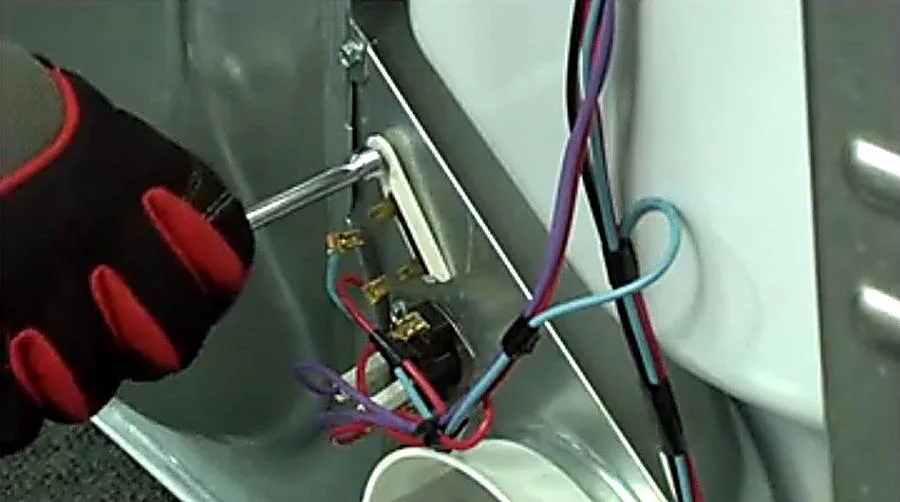
Thermal fuses are safety devices that prevent overheating. When a thermal fuse blows, the dryer may still run but fail to produce heat. Thermostats regulate temperature inside the dryer drum. A defective thermostat can cut power to the heating element, causing clothes to remain damp.
Testing thermal fuses and thermostats requires a multimeter. A lack of continuity indicates a blown fuse or faulty thermostat. These components are relatively inexpensive and simple to replace. After replacement, the dryer should regain normal heating functionality.
Inspecting Gas Dryer Components
If your AMANA dryer uses gas, heating issues may originate from the igniter, gas valve solenoids, or flame sensor. The igniter must glow red to ignite gas, while solenoids control the flow of gas into the burner assembly.
A malfunctioning igniter or faulty solenoids prevents gas from igniting, resulting in a spinning drum without heat. Gas dryer repairs are more complex than electric units and may require professional expertise to safely handle flammable gas components.
Regular maintenance of gas dryers, including vent cleaning and inspection of burner assembly, prevents heating problems and ensures efficient operation.
Ensuring Proper Airflow
Airflow plays a critical role in dryer heating efficiency. Even a fully functional heating element cannot warm clothes if airflow is obstructed. Lint buildup inside the vent, dryer duct, or lint screen reduces airflow and triggers thermal cutoffs.
Cleaning the lint screen after every load is essential. Inspect the vent hose and external vent to remove clogs. Long, convoluted vent runs increase the risk of blockage, reducing heat transfer efficiency. Maintaining proper airflow extends dryer lifespan and reduces energy consumption.
Electrical Supply and Circuit Checks
Sometimes an AMANA dryer not getting hot results from insufficient electrical supply. Electric dryers require a 240-volt connection, and if only 120 volts are supplied, the drum may spin without heat.
Check the circuit breaker to ensure it has not tripped. Inspect power cords and outlets for damage. Inconsistent voltage may require a licensed electrician to resolve wiring issues safely. Ignoring electrical supply problems can damage the dryer’s internal components.
Common DIY Solutions for AMANA Dryer Heating Issues
For minor problems, homeowners can often restore heat without calling a technician. Cleaning the lint screen and vent duct, replacing a faulty thermal fuse or heating element, and testing thermostats with a multimeter are effective DIY solutions.
Document your dryer model number to purchase correct replacement parts. Follow manufacturer instructions for disassembly and component replacement. Safety and proper handling of electrical components are paramount during DIY repairs.
When to Call a Professional
Some issues require expert attention. Gas line inspection, advanced electrical troubleshooting, or complex internal component replacement are best handled by licensed technicians. Professional repair ensures compliance with safety standards and reduces risk of fire, gas leaks, or electrical shock.
Scheduling professional service is recommended if you are uncomfortable working with electricity or gas or cannot identify the source of the heating problem. Professionals can also perform routine maintenance, preventing future heating failures.
Preventive Maintenance Tips
Regular maintenance extends dryer life and reduces heating issues. Clean the lint trap after every load, inspect and clean vent ducts periodically, and ensure proper electrical connections. Avoid overloading the dryer, as excessive weight reduces airflow and strains heating components.
Using dryer sheets sparingly prevents buildup on sensors and coils. Routine inspections of heating elements and thermal fuses catch wear before failure. Preventive care ensures consistent performance and protects your investment in an AMANA dryer.
Understanding the Cost of Repairs
Repair costs vary depending on the issue. Replacing a heating element or thermal fuse is inexpensive, while gas dryer repairs or electrical component replacements may cost more. Comparing repair costs to the age and condition of the dryer helps determine if replacement is more economical.
Investing in high-quality replacement parts and professional service when needed avoids recurring problems and ensures dryer efficiency and safety.
Common Mistakes to Avoid
Avoid ignoring airflow issues, attempting gas repairs without expertise, or using incorrect replacement parts. Skipping maintenance accelerates component failure. Misdiagnosing the problem can lead to unnecessary part replacement and wasted expense.
Follow structured troubleshooting, consult manuals, and prioritize safety to avoid common pitfalls when addressing heating problems in an AMANA dryer.
Conclusion
An AMANA dryer not getting hot can stem from multiple causes, including heating elements, thermal fuses, airflow restrictions, or electrical supply issues. Systematic troubleshooting identifies the root cause efficiently.
Whether performing DIY repairs like cleaning vents or replacing thermal fuses, or calling a professional for complex issues, prioritizing safety and proper diagnosis ensures effective results. Regular maintenance, careful handling, and timely repairs extend dryer lifespan and restore reliable heat, keeping laundry routines stress-free.
Understanding the causes, solutions, and preventive measures equips homeowners to resolve heating issues in an AMANA dryer while avoiding costly mistakes and maintaining appliance efficiency.
FAQs
1. Why is my AMANA dryer not heating?
Common causes include a faulty heating element, blown thermal fuse, clogged vents, or electrical issues.
2. Can I fix an AMANA dryer not heating myself?
Yes, simple issues like cleaning vents or replacing a thermal fuse can be done safely with basic tools.
3. How do I test the heating element?
Use a multimeter to check continuity; no continuity means the heating element is broken and needs replacement.
4. What should I do if my gas AMANA dryer is not heating?
Check the igniter, gas valve solenoids, and vent airflow. Gas repairs may require a licensed professional for safety.
5. How can I prevent my AMANA dryer from losing heat?
Clean the lint screen regularly, inspect vents, avoid overloading, and perform routine maintenance on heating components.
