
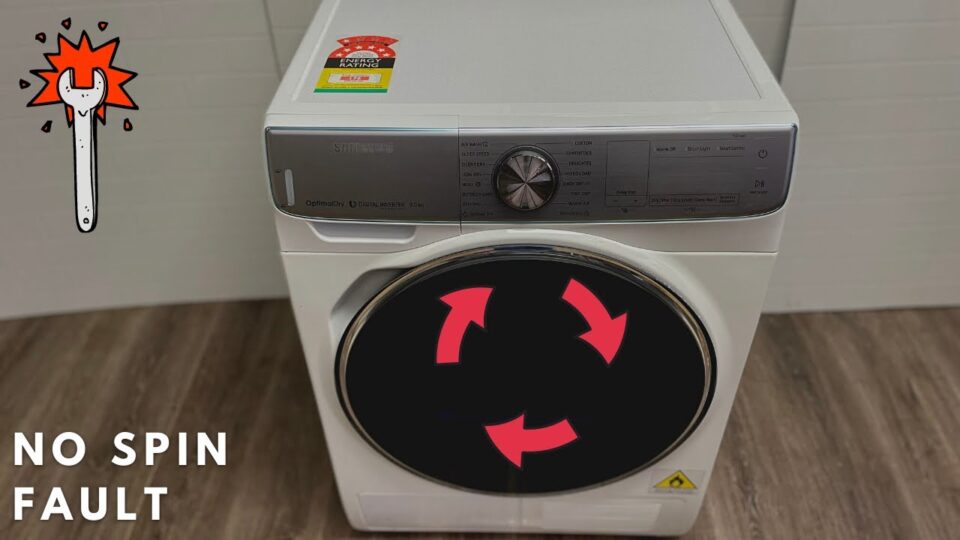
When your dryer suddenly stops spinning, laundry piles up fast. If you own a dryer from Samsung and the drum refuses to turn, you are dealing with one of the most common appliance problems homeowners face. The good news: most causes are easy to diagnose, and many fixes do not require professional repair.
This in-depth guide explains why a Samsung dryer is not spinning, how to troubleshoot it step by step, and when it makes sense to call a technician. The advice below reflects hands-on appliance repair experience and manufacturer service principles, so you can approach the issue with confidence.
Understanding How a Samsung Dryer Spins
Before jumping into repairs, it helps to understand how your dryer works. Inside the cabinet, a drive motor powers a belt that wraps around the drum. The motor turns a pulley system, which rotates the drum while heated air circulates to dry clothes.
If any part of that system fails, the dryer may still power on, make noise, or even heat up, yet the drum will not spin. Identifying whether the problem is electrical, mechanical, or load-related saves time and money.
Samsung Dryer Not Spinning: Most Common Causes
Several components typically cause spinning problems. Some issues are minor and require simple adjustments. Others involve replacing worn parts.
Read Also: Jann Mardenborough Net Worth 2026 Update
Broken or Slipped Drive Belt
The drive belt is the most common reason a Samsung dryer stops spinning. Over time, belts wear out, crack, or snap completely. When this happens, the motor may still run, but the drum remains still.
You may hear the motor humming without drum movement. In some models, the dryer shuts off automatically if it detects a broken belt.
To check the belt, unplug the dryer and remove the top or front panel. If the belt appears loose, frayed, or broken, replacement is necessary. Belt replacement is considered a moderate DIY repair for those comfortable disassembling appliances.
Faulty Door Switch
If your dryer does not spin at all and does not make motor noise, a defective door switch could be responsible. The dryer will not operate if it believes the door is open.
Press the door switch manually while the door is open. If you do not hear a clicking sound, or if the dryer only works intermittently when pressing the switch, replacement is likely required.
Door switches are affordable and relatively simple to replace.
Worn Drum Rollers or Idler Pulley
Drum rollers support the drum as it turns. The idler pulley maintains tension on the drive belt. If either component wears down, the drum may stop spinning or rotate unevenly.
A squealing or thumping sound before complete failure often signals worn rollers. Ignoring noise usually leads to full spinning failure.
Replacing drum rollers and the idler pulley at the same time as the belt is recommended for long-term reliability.
Motor Failure
A defective drive motor is less common but more serious. If the dryer hums loudly and the drum does not turn, the motor may be seized. In some cases, the motor overheats and temporarily shuts down.
Allow the dryer to cool for thirty minutes and try again. If the problem continues, professional motor replacement may be required.
Control Board Malfunction
Modern Samsung dryers rely on electronic control boards. Power surges, moisture exposure, or internal faults can disrupt motor operation.
If the display works but the drum never attempts to turn, and all mechanical parts appear intact, the control board could be at fault. Diagnosing board issues usually requires multimeter testing and service expertise.
Step-By-Step Troubleshooting Process
Approach troubleshooting methodically. Avoid replacing parts without confirming the cause.
Step 1: Confirm Power Supply
Ensure the dryer receives proper voltage. Electric dryers require 240 volts. If one breaker trips, the dryer may power on but fail to spin or heat correctly.
Check your circuit breaker panel. Reset breakers fully by turning them off, then on.
Step 2: Avoid Overloading
Overloading stresses the motor and belt. A heavy load can prevent drum rotation, especially with bulky bedding.
Remove some items and restart the dryer. If the drum spins normally, load size was the issue.
Step 3: Listen Carefully
Sound reveals valuable clues. A humming sound suggests motor or belt problems. Clicking may indicate a faulty relay or control issue. Silence often points toward a door switch or power problem.
Step 4: Perform Manual Drum Test
With the dryer unplugged, open the door and try rotating the drum by hand. The drum should turn smoothly with slight resistance.
If the drum spins very freely, the belt may be broken. If it feels stiff or jammed, rollers or the motor could be seized.
Step 5: Inspect Internal Components
If comfortable performing appliance repairs, remove access panels and inspect the belt, rollers, pulley, and motor visually.
Look for wear marks, debris, loose wiring, or burnt smells. Always disconnect power before internal inspection.
When to Call a Professional Technician
Some repairs exceed basic DIY skill level. If your Samsung dryer requires motor replacement, control board diagnostics, or complex wiring repair, professional service ensures safety and proper installation.
Call a certified technician if you notice burning odors, repeated breaker trips, or visible electrical damage. Attempting electrical repairs without experience can create fire risk.
Professional service also protects warranty coverage if your dryer remains under manufacturer warranty.
Preventing Future Spinning Problems
Dryer maintenance significantly reduces spinning issues. Many failures occur due to neglect rather than manufacturing defects.
Clean the lint filter after every load. Blocked airflow forces the motor to work harder, increasing wear on belts and pulleys.
Inspect and clean the vent system at least once per year. Clogged vents cause overheating, which damages internal components.
Avoid overloading the drum. Heavy loads strain mechanical parts and shorten belt lifespan.
Listen for unusual sounds. Addressing squeaks early prevents more expensive repairs later.
Cost of Repair vs Replacement
Repair costs vary depending on the failed component. Belt replacement typically costs far less than motor replacement. Control board replacement may approach the cost of a new dryer if the appliance is older.
If your dryer is more than ten years old and requires major component replacement, investing in a new energy-efficient model may be more practical.
However, most spinning problems involve affordable parts and straightforward repairs.
Safety Considerations During DIY Repairs
Always unplug the dryer before opening any panels. Electric dryers carry high voltage. Gas dryers require shutting off the gas supply before service.
Use proper tools and follow manufacturer disassembly procedures. Keep track of screws and component placement during reassembly.
If uncertainty arises at any stage, pause and consult a professional technician.
Frequently Asked Questions About Samsung Dryer Not Spinning
Why does my Samsung dryer make noise but not spin?
This usually indicates a broken belt or seized drum rollers. The motor runs, but the drum cannot rotate.
Can I reset my Samsung dryer to fix spinning issues?
Unplugging the dryer for five minutes resets the control board. While this can resolve minor electronic glitches, mechanical failures require physical repair.
How long does a dryer belt last?
Dryer belts typically last between five and ten years, depending on usage frequency and load weight.
Is motor replacement worth it?
Motor replacement can be worthwhile if the dryer is relatively new. For older models, replacement may be more cost-effective.
Conclusion
A Samsung dryer not spinning can feel frustrating, but most cases trace back to predictable mechanical wear or minor electrical faults. Careful troubleshooting identifies the cause quickly and prevents unnecessary part replacement.
Drive belt failure remains the most common reason for spinning issues. Door switch problems, worn rollers, and overloaded drums follow closely behind. Less frequently, motor or control board malfunction may require professional attention.
Routine maintenance extends dryer lifespan and protects internal components from premature failure. Clean vents, moderate load sizes, and quick response to unusual sounds keep your appliance operating smoothly for years.
Addressing spinning problems early reduces repair costs and prevents laundry disruptions. With proper diagnosis and informed action, your dryer can return to full performance without unnecessary expense or stress.
FAQs
1. Why is my Samsung dryer not spinning but still heating?
A broken drive belt is the most common cause. The motor runs and produces heat, but the drum cannot rotate.
2. How do I reset a Samsung dryer that won’t spin?
Unplug the dryer for five minutes, then plug it back in. This resets the control board and may fix minor electronic issues.
3. Can overloading cause a Samsung dryer to stop spinning?
Yes. Heavy or oversized loads can strain the motor and prevent the drum from turning properly.
4. How much does it cost to fix a Samsung dryer that is not spinning?
Costs vary by part. A belt replacement is affordable, while motor or control board repairs are more expensive.
5. Should I repair or replace my Samsung dryer if it won’t spin?
If the dryer is under 10 years old and needs minor parts, repair is usually worth it. Major motor damage may justify replacement.
